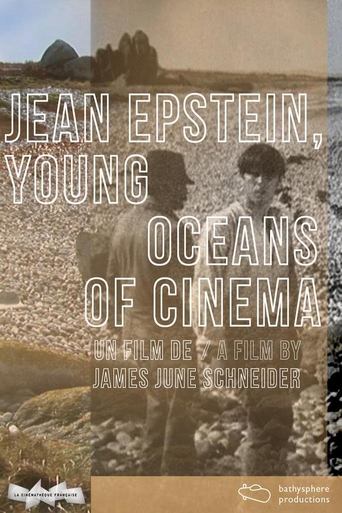
Movie
2011
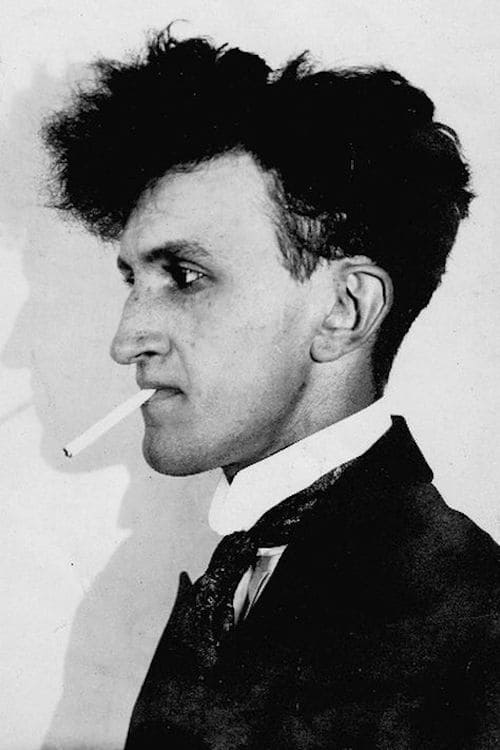
Jean Epstein (March 25, 1897 – April 2, 1953) was a multifaceted French filmmaker, theorist, novelist, and literary critic, whose contributions to cinema and literature left a lasting impact. Best known for his haunting adaptation of Edgar Allan Poe's *The Fall of the House of Usher*, Epstein directed around thirty-six films throughout his career and was a prominent figure in film criticism from the 1920s until the late 1940s. His work is closely aligned with the French Impressionist movement and the concept of photogénie.
Born in Warsaw, Poland, to a French-Jewish father and a Polish mother, Epstein moved to Switzerland after his father's death in 1908. He later pursued medical studies at the University of Lyon, where he served as a secretary and translator for Auguste Lumière, a pioneer of cinema. Epstein began his directorial journey in 1922 with *Pasteur*, followed by *L'Auberge rouge* and *Coeur fidèle* in 1923, the latter showcasing innovative editing techniques and visual storytelling.
Epstein collaborated with notable filmmakers, including Luis Buñuel, who assisted him on *Mauprat* and *La Chute de la maison Usher*. His early work exhibited influences from German Expressionism and featured several documentaries on Brittany, including *Chanson d'Armor*, recognized as the first film in the Breton language. His literary contributions include two novels set in the Breton Isles: *L'Or des mers* and *Les Recteurs et la sirène*. Epstein passed away in 1953 due to a cerebral hemorrhage, leaving behind a rich legacy in both film and literature.