Movie
1978
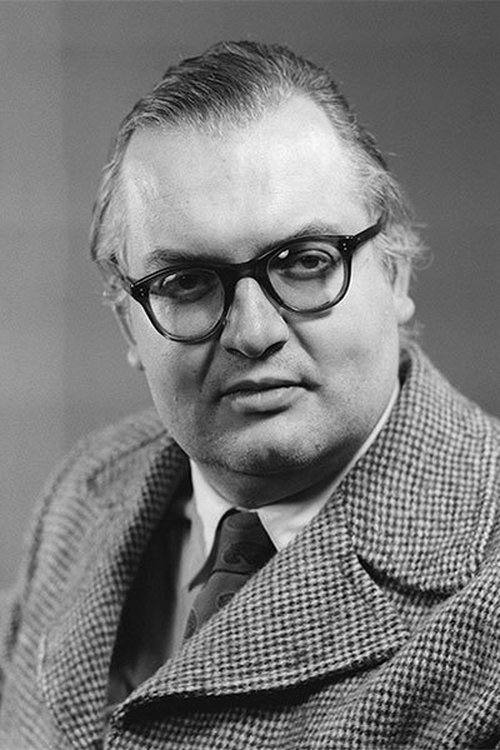
Friedrich Dürrenmatt (January 5, 1921 – December 14, 1990) was a distinguished Swiss playwright and novelist, renowned for his contributions to epic theatre and his incisive reflections on the turmoil of World War II. His diverse body of work encompassed avant-garde dramas, philosophical crime fiction, and darkly satirical pieces. Dürrenmatt was closely associated with the Gruppe Olten, a collective of progressive Swiss writers who gathered in Olten to discuss literature and politics.
Born in Konolfingen, Bern, Dürrenmatt was raised in a family deeply rooted in Protestantism; his father was a pastor, and his grandfather a conservative politician. After relocating to Bern in 1935, he pursued studies in philosophy and literature at the University of Zürich before transferring to the University of Bern, where he also explored natural sciences. In 1943, he made the pivotal decision to abandon academia to focus on writing. His debut play, *It Is Written*, premiered in 1947 amidst significant controversy, igniting debates within the audience.
Beyond theatre, Dürrenmatt ventured into painting, with exhibitions showcasing his artwork in Neuchâtel and Zürich. His second marriage in 1984 to actress Charlotte Kerr followed the passing of his first wife, Lotti Geissler, in 1983. Notable speeches in 1990 addressed issues of surveillance and freedom, reflecting his commitment to political discourse. Dürrenmatt passed away from heart failure in Neuchâtel, leaving behind a legacy celebrated at the Centre Dürrenmatt, a branch of the Swiss National Library established in 2000. His innovative approach to theatre, alongside figures like Bertolt Brecht, solidified his reputation as a leading thinker of his time.